
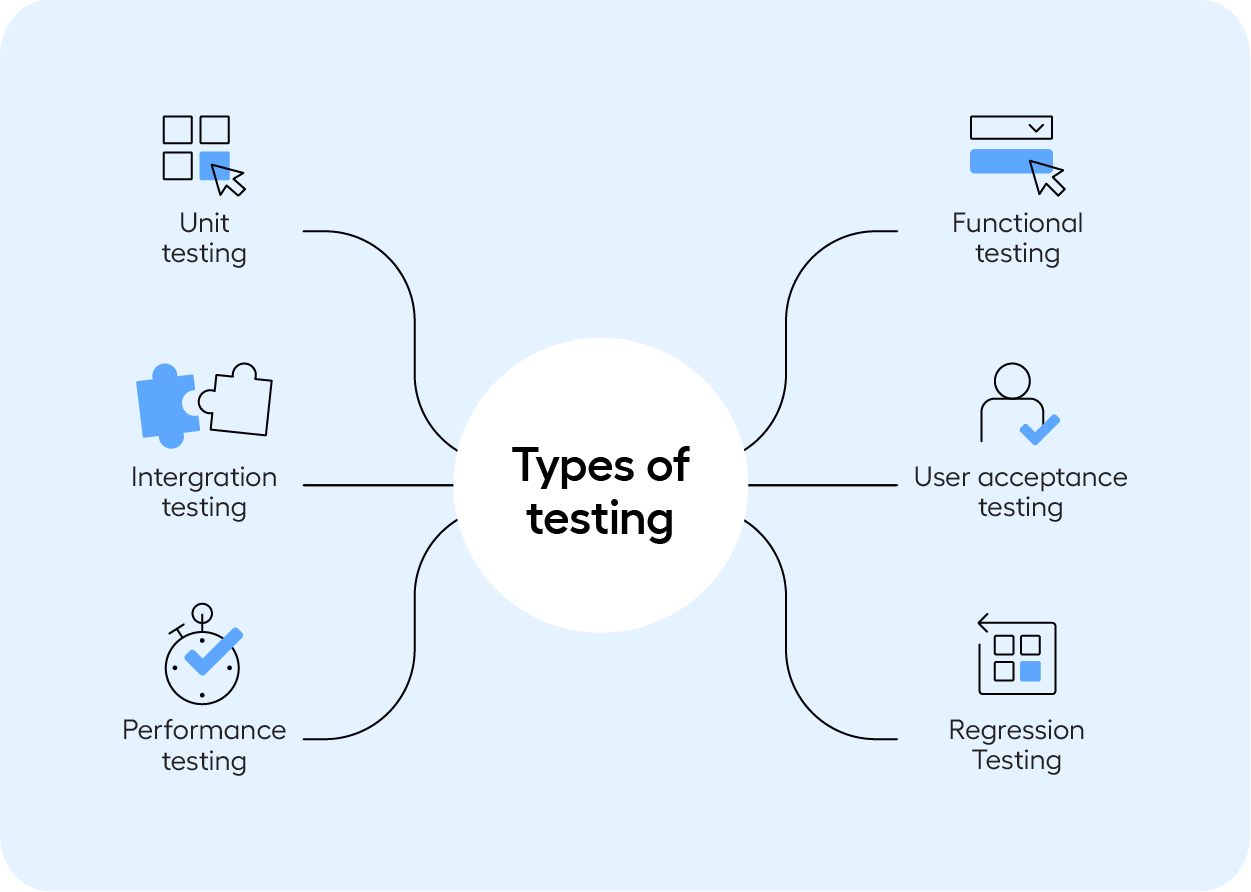
Businesses frequently utilize SAP (Systems, Applications, and Products in Data Processing) to manage their operations. To guarantee efficient processes and precise data processing, SAP testing is essential. Here are five crucial insights to assist you in grasping the significance and important components of SAP testing if you are new to it.
- SAP Testing is Different from Traditional Software Testing
Regular software testing is not the same as SAP testing. SAP testing ensures that business operations run smoothly within the system, whereas conventional testing concentrates on finding code errors. Because SAP systems are so tightly interconnected, even a little problem can cause a complete workflow to go down. To prevent expensive mistakes, testers must verify process consistency, data correctness, and system setups.
- Manual and Automated Testing Play Different Roles
In SAP, both automated and manual testing are crucial. User interface testing relies on manual testing methods to verify complicated business processes which need human participation. Automated tests execute tests more efficiently by speeding up repetitive tasks that run regression testing procedures. Having a strategic combination of testing techniques between manual and automated efforts enhances testing quality while decreasing overall completion duration.
- End-to-End Testing is Crucial for SAP Systems
Several business modules such as supply chain and finance and human resources work together through SAP. Testing all modules from beginning to end proves essential because changes to any one module could affect connected functions. This kind of testing guarantees that business operations operate seamlessly throughout the system and that all modules interact with one another. Data inconsistencies and functional failures may result from neglecting end-to-end testing.
- Data Accuracy and Security Are Top Priorities
SAP handles enormous volumes of important business data. In order to avoid monetary losses and compliance problems, testing must guarantee data security and correctness. Testers must confirm that data moves between modules accurately and is shielded from unwanted access. Any mistake made when processing data might result in inaccurate reporting, which can influence business choices.
- Regular Updates Require Continuous Testing
The SAP systems undergo regular maintenance and customization actions to fulfill corporate needs. Every modification requires testing to verify the new features maintain compatibility with previously existing functionalities. The practice of continuous testing reduces unexpected post-update failures to maintain system performance together with stability. Despite continuous system changes, this methodical approach to validation guarantees that crucial business operations continue unabated. While retaining thorough coverage, the resource load may be greatly decreased by putting automated test frameworks into place. Strong testing procedures reduce production issues, speed up resolution, and increase user happiness for organizations that invest in them.
Conclusion
SAP testing is essential to guaranteeing system stability, data correctness, and smooth company processes. Manual testing, however, may be expensive and time-consuming. By automating 80% of manual labor, cutting migration expenses, and increasing test execution speed by 8X, Opkey transforms SAP testing. Opkey streamlines end-to-end SAP testing with AI-powered test creation, pre-built test libraries, and no-code automation, guaranteeing efficiency and compliance. Leading companies rely on Opkey to optimize SAP upgrades, simplify migrations, and improve system performance. Opkey, your reliable partner for smooth ERP automation, can help you unlock quicker, more intelligent, and more economical SAP testing.